Designing with mustard is the future of design. I used to think it was ketchup, but I was wrong. If you're not currently designing with mustard, you should get out of design and tech. The future of design is mustard. Adapt or perish.
Read More
Writing on design systems, AI, and accessibility, focused on decision-making, risk, and long-term product outcomes.
Designing with mustard is the future of design. I used to think it was ketchup, but I was wrong. If you're not currently designing with mustard, you should get out of design and tech. The future of design is mustard. Adapt or perish.
Read MoreThis work book is a 30-item diagnostic that design system leads can used to govern systems while keeping accessibility intact at AI scale.
Read MoreWhen AI generates a broken variant, who owns the fix? A six-question governance framework for design system leads keeping accessibility intact at AI scale.
Read MoreWhy AI depends on the foundation accessible design systems build — and how "AI will fix accessibility" is producing the opposite outcome at industry scale.
Read MoreAs teams use AI tools to generate high-fidelity prototypes, the focus shifts to output instead of purpose. Prototyping should be about testing ideas and learning what actually works before building.
Read MoreA small but important change: my newsletter is now called Digital Arcana. In this post, I explain the rename, acknowledge the overlap that prompted it, and share why this new chapter feels like a stronger foundation for the work ahead.
Read MoreWhat we learned rebuilding the Microsoft Inclusive Design website with the communities we serve and a discussion around what accessibility and inclusive design means in this current era.
Read MoreWhat America by Design reveals about how public platforms fail when maintenance, governance, and accountability are treated as optional and how we can do better no matter our job title.
Read MoreThis piece explores how score-driven metrics can distort decision-making, and why grounding success in real use, context, and human experience leads to better accessibility and design outcomes than dashboards alone.
Read MoreIf an email adds noise, I unsubscribe immediately or mark it as spam. So this list is based on writers who regularly deliver stuff that I like to read. If I included it here, it's because the writing is consistent and well done, centering disability justice, accessibility, design, and technology.
Read MoreA personal reflection on focus, autism, and accessibility, what focus has given me in clarity and self-acceptance, and why I’m choosing to keep building better systems, even when clarity is hard to hold, as we head into 2026.
Read MoreI’ve been tagged to join in the Tag You’re It microblogging trend and took the opportunity to talk about my experience of writing and speaking in the tech space in the past ten years, as well as capture what I believe the future can look like.
Read MoreLeaving Twitter became necessary to preserve my values and principles, even if it meant relinquishing a platform that had once carried my voice.
Read MoreFor some, sharing Wordle results is a small comfort, for others it is an annoyance in their feed. But for others, these posts go beyond annoying—they’re inaccessible.
Read MoreDepending on what you are looking to do, there are many effective tools for designers. Anything can be a design tool, Photoshop, PowerPoint, paper, pencil…or even ketchup.
Read MoreLearn how to find accessibility issues in your existing design systems and documenting those issues in a way that makes them actionable for yourselves and your teams.
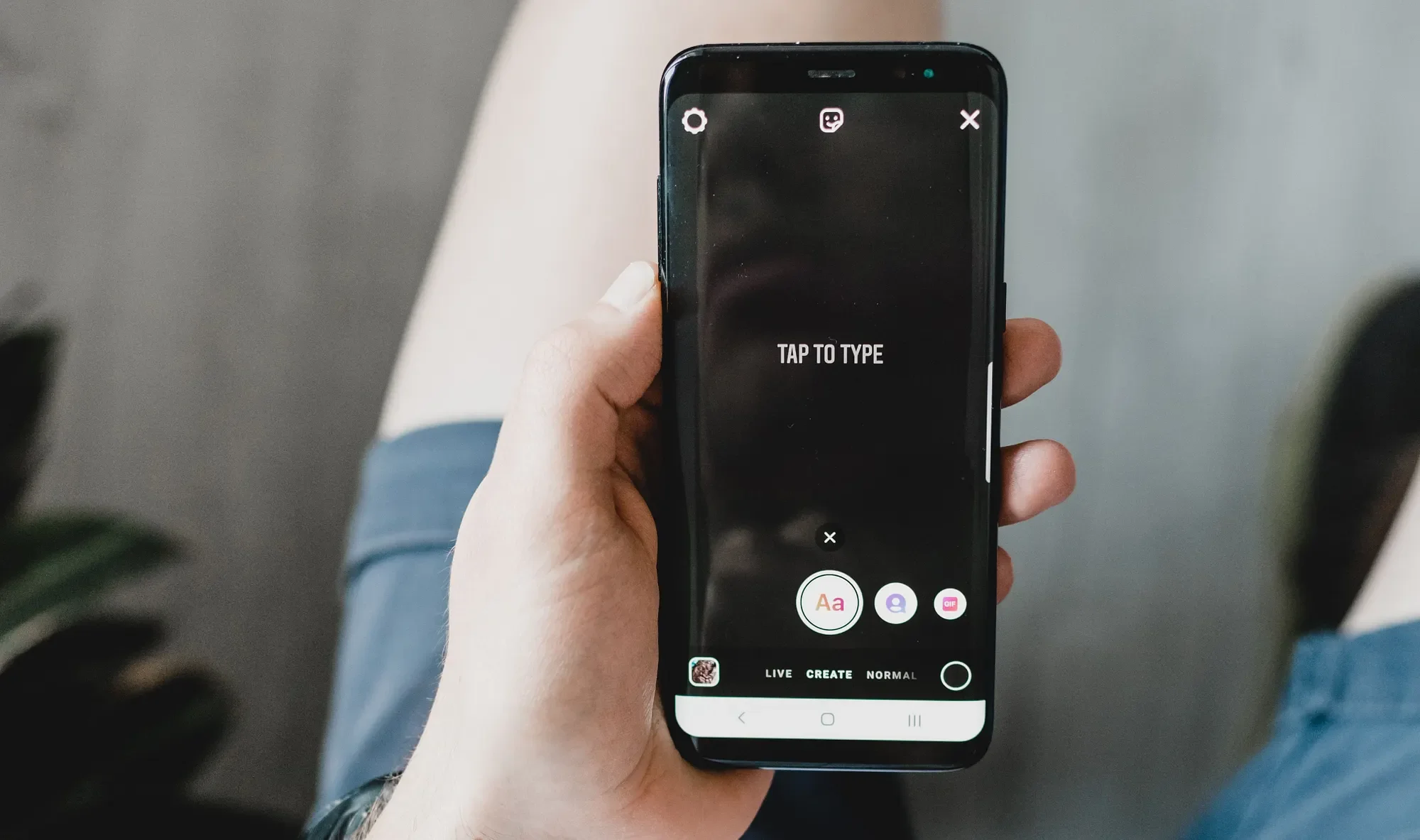
Read MoreSocial media proliferates dopamine rewards and thereby enables addiction. Stories push this even further by limiting our exposure to a story to a time limit and then showing us something new.
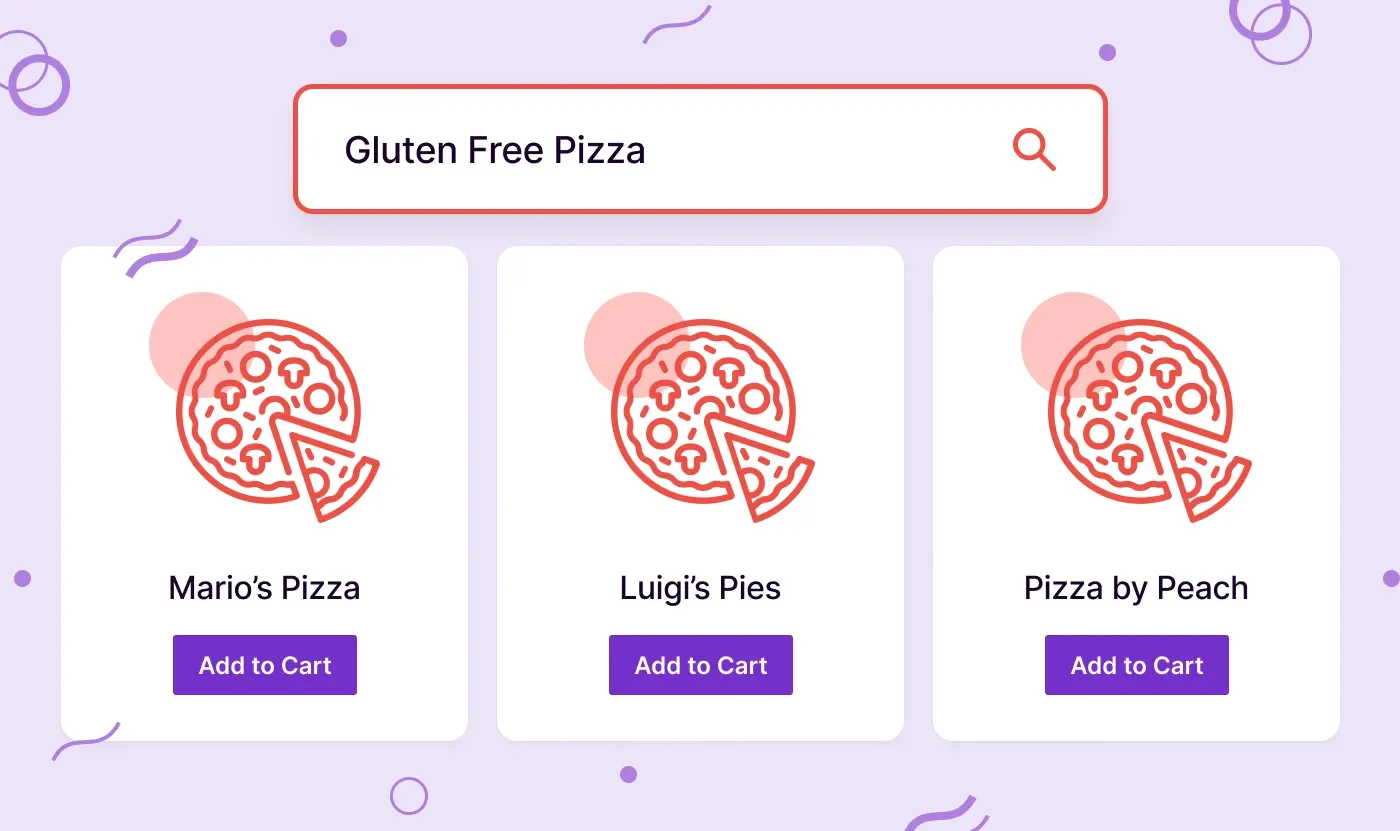
Read MoreHow my celiac disease led me to realize the risk of search suggestions, suggested results, and lack of information when using digital food delivery experiences.
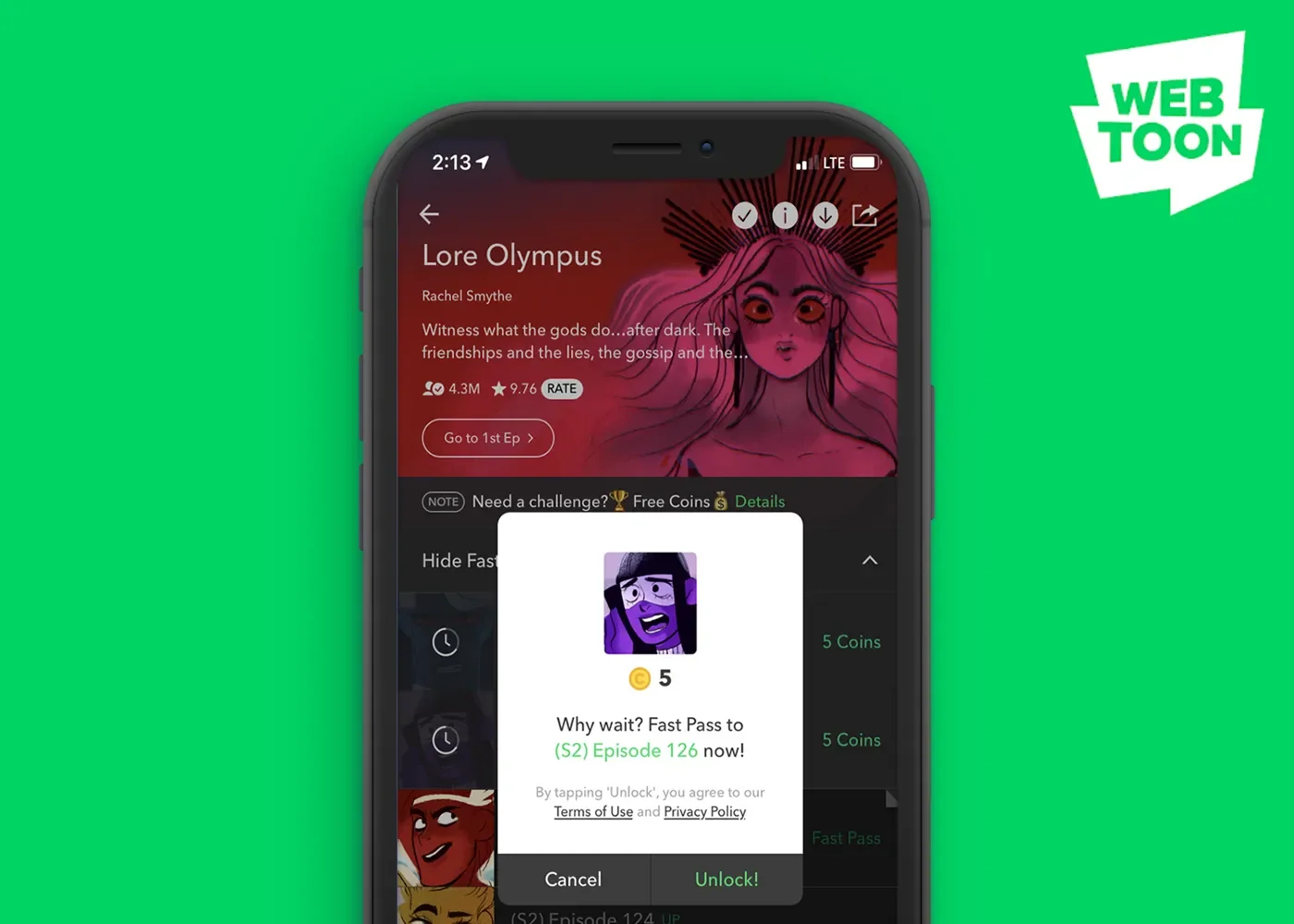
Read MoreMany designers are familiar with the tactics that products use to create addictive behaviors, but how are we evaluating the difference between a manipulative pattern and a winning experience?
Read More