
Work
I design and scale the systems that complex products run on — strengthening the patterns, contracts, and governance already in place. My work improves product quality and AI behavior at scale, with accessibility built in, reducing regressions and support burden, and lowering long-term cost.
What I do
My work focuses on the upstream parts of the product lifecycle — design systems, patterns, decision frameworks, workflows, and governance — where clarity prevents regressions, reduces rework, and enables consistent product quality at scale.
I bring deep experience across design systems, AI and agentic patterns, and accessibility to help teams replace reactive fixes with durable practices that scale as products and organizations grow.
Proudly worked with
A selected list of organizations I’ve had the opportunity to work across product design, design systems, and accessibility.


Products need foundational requirements to scale
The cost of missing system-level requirements
When design systems don't account for critical requirements early — accessibility, performance, security — issues become exponentially more expensive to fix. On average, issues cost 3x if not considered before design, 7x more if it reaches development, 15x more if it reaches testing, 30x to 100x more if it reaches production. Source
Most system requirements are defined in design
In practice, accessibility decisions made in design improve usability, consistency, and product resilience for everyone, which is why they are critical in defining design system requirements.
A Deque case study found that 67% of accessibility issues originate in the design phase. When mapping Web Content Accessibility Guidelines (WCAG) criteria to real product work, most requirements are shaped upstream in visual design, content decisions, interaction patterns, and system-level choices.
The same upstream dynamic applies to AI behavior — interaction models, agent reasoning visibility, consent patterns, and behavioral constraints are shaped in design long before model implementation.
Design systems amplify gaps across products and platforms
Issues that show up later in development are rarely one-off mistakes. They're signals of system gaps: inconsistent patterns, unclear guidance, fragmented ownership, and workflows that defer critical decisions.
Accessibility often exposes these gaps first, because it touches layout, interaction, content, and component behavior all at once. AI and agentic patterns expose them even faster. When systems lack clarity, those gaps compound into:
Recurring accessibility regressions
Design system drift
Slow release cycles
Rising support tickets
Costly downstream fixes
Duplicated effort across teams
Legal and reputational risk

How I support teams
Turning product decisions into scalable systems
My work focuses on aligning design and engineering around shared system decisions, so quality and accessibility scale consistently across products, platforms, and AI experiences. This includes:
Strengthening design systems and shared components
Clarifying and unifying patterns across products
Defining interaction models and behavioral contracts
Improving collaboration between design and engineering
Reducing regressions across platforms and releases
Establishing governance and decision-making frameworks
Building internal capability through guidance, reviews, and embedded education
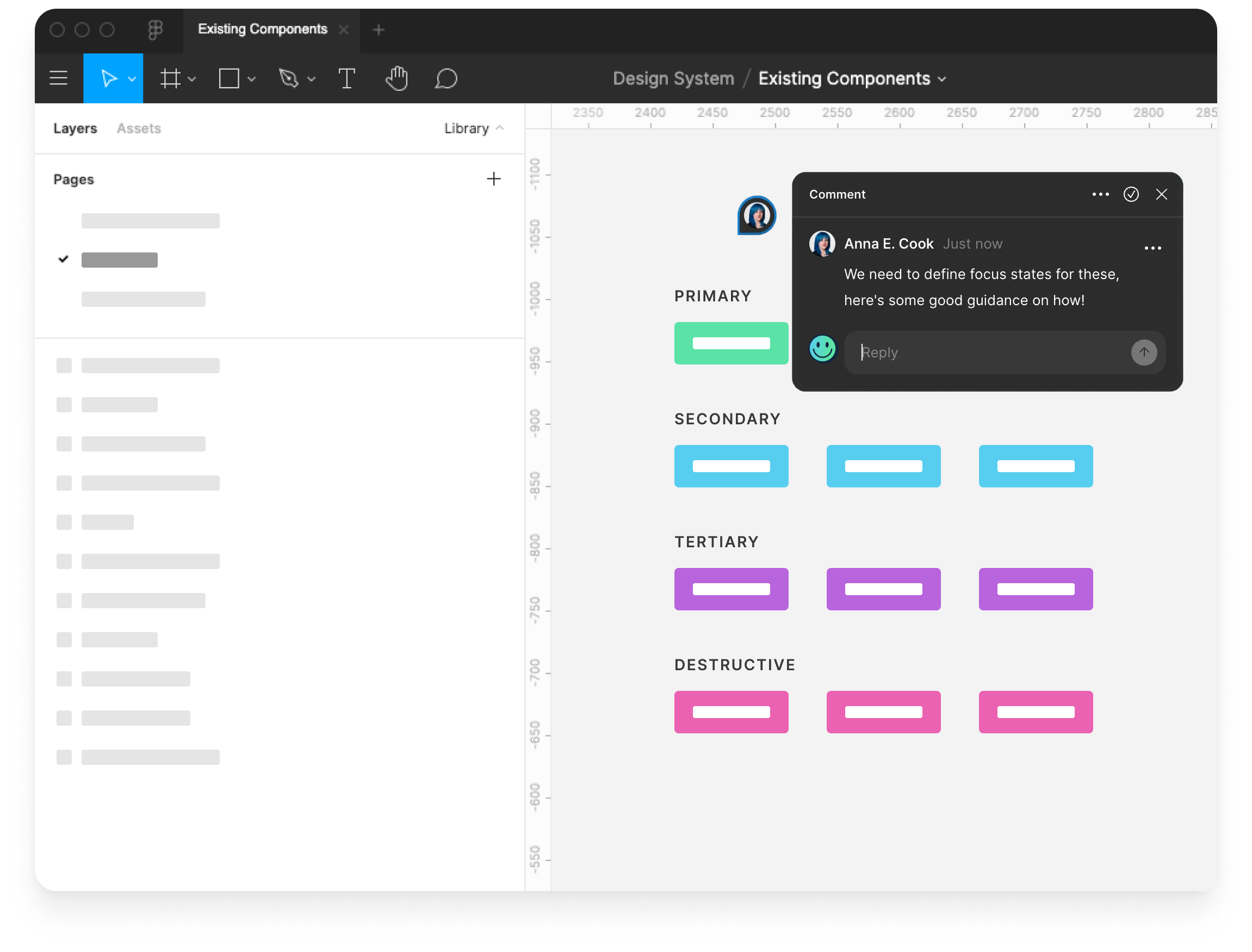

From point-in-time fixes to durable systems
Point-in-time solutions degrade as products evolve. Without durable design systems, gaps reappear, costs rise, and teams are pulled back into reactive work.
I focus on building systems that hold up over time — embedding accessibility, security, and other cross-cutting requirements into patterns, workflows, and shared understanding.
My work ensures quality, consistency, and usability persist as products, teams, and requirements change.

Based on real user needs
I help teams avoid assumption-driven decisions by incorporating lived experience, inclusive research, and disability-informed practices into product and system design.

Adaptive by design
I design systems that account for natural human variation so products work across different needs, contexts, and conditions. The systems I define also flex for unique product contexts.

Scaling team capability
I embed shared language, patterns, and practices so design decisions scale beyond individual contributors or roles and reduce reliance on last-minute fixes or external audits.
Outcomes of my work
Immediate ROI with durable system capability
1 hour → 8 issues → $150K–$750K avoided
In a single one-hour working session, we reviewed a team’s staging environment to validate system assumptions before release. In the final ten minutes alone, the team identified eight issues that would have caused downstream regressions.
Catching these issues during development avoided weeks of rework and costly fixes, an estimated $150,000–$750,000 in avoided cost.
More importantly, the team left with a repeatable system-level approach they could apply independently. My work focuses on building internal capability, not ongoing dependency, so impact compounds every time teams ship.
Session Impact:
Time invested: 1 hour
Issues caught early: 8
Estimated saved: $150K–$750K
Long-term value: Repeatable internal capability
Before working with me

Issues discovered late in design or development
Rework, delays, and release risk
Support escalations and interruptions
External vendor or audit dependency
Inconsistent and fragmented user experiences
After working with me

Issues identified during design and early development
Predictable delivery cycles and clearer ownership
Fewer tickets and unplanned interruptions
Internal capability embedded across teams
Cohesive experiences at scale
Want to see how my work looks in practice?
Case studies are available upon request
I share case studies selectively to respect confidentiality. If you’re exploring a potential engagement with me, I’m happy to share examples that are relevant to your work.
Selected public work
Publicly available work that reflects my approach to design systems, system-level thinking, and scalable product quality:
Auditing Design Systems for Accessibility (LinkedIn Learning) – Course author, teaching designers and engineers how to evaluate, govern, and evolve design systems so accessibility is built into shared components and patterns.
Digital Arcana – A newsletter on design systems and product quality in the AI era with accessibility embedded as a core system requirement.
International conference talks – Speaking globally on design systems, AI, and accessibility, with a focus on system-level decision-making.
Published articles – Writing on design systems, AI, and accessibility, including how systems and accessibility shape AI behavior, product resilience, and durable practice.

4.7 out of 5 stars on LinkedIn Learning
“Great course. Specific examples for deeper learning and applicable follow-up resources for deeper learning.”
Selected Impact + Recognition

axe-con 2026 Design Keynote — Opened the design track on how AI depends on the foundations that accessible design systems build.
Keynotes at international conferences including Flupa UX Days (France) and Wey Wey Web (Spain).
Microsoft Ignite 2024 — Co-led the agentic Copilot in Azure preview to 118K global attendees and 1.6M Azure.com visits.
Smashing Magazine Person of the Week (February 2023) — Recognition for contributions to accessible design systems practice.

Recipient, Microsoft Ability Summit Awards — Recognition for work that improves accessibility for disabled and neurodivergent users.
Contributor to Microsoft's Inclusive Design for Cognition Guidebook and Hackathon — inducted into the Microsoft Garage Wall of Fame for advancing cognitively inclusive design.
Work featured by Fast Company for reframing how designers think about the brain and cognitively inclusive design and for reframing accessibility as a design requirement in government agencies.

Work With Me
I work with organizations on design systems, AI, and accessibility initiatives that require scale, durability, and cross-team alignment. I have limited availability for new engagements starting Q3 2026. If you're scaling a product or platform and need systems-level expertise with accessibility built in, let's connect.